


Description
Many designers, from jewellers to architects, use folding techniques to make three-dimensional forms from two-dimensional sheets of fabric, cardboard, plastic, metal and other materials.
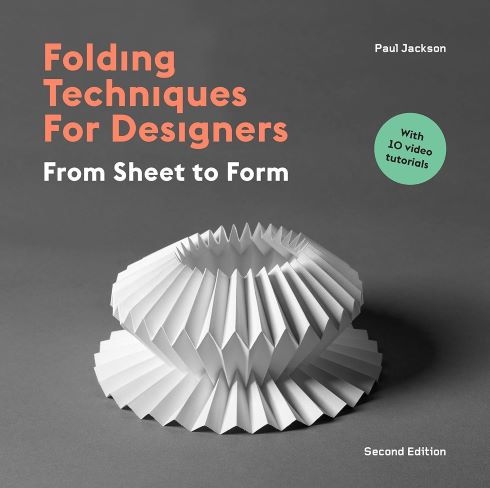
This unique handbook explains key folding techniques, such as pleated surfaces, curved folding and crumpling. It has been updated with a new chapter covering some lesser-known techniques, suggesting yet more creative possibilities. The techniques are accompanied by clear step-by-step drawings, specially commissioned photography and ten new instructional videos.
This unique handbook explains key folding techniques, such as pleated surfaces, curved folding and crumpling. It has been updated with a new chapter covering some lesser-known techniques, suggesting yet more creative possibilities. The techniques are accompanied by clear step-by-step drawings, specially commissioned photography and ten new instructional videos.
CONTENTS
I. Basics
- Divisions the paper
- Symmetrical Repeats
- Stretch and Skew
- Polygons
II. Basic Pleats
- Accordion Pleats
- Knife Pleats
- Box Pleats
- Progressive Pleats
III. Other Pleats
- Spiral Pleats
- Gatherad Pleats
- Twisted Pleats
IV. V-Pleats
- Making By Hand
- Variations
- Multiple Vs
- Grid Vs
- Cylindrical Vs
- Complex Surfaces
V. Spans and Parabolas
- X-form Spans
- V-fold Spans
- Parabolas
VI. Boxes and Bowls
- Boxes
- Bowl Forms
VII. No Crease, One Crease
- No Crease
- One Crease
VIII. Crumpling
- The Basic Technique
- Parallel Crumples
- Rotational Crumpling
- Crumpling Pre-made 3D Forms
IX. Miscellaneous Techniques


Reviews
There are no reviews yet.