

Description
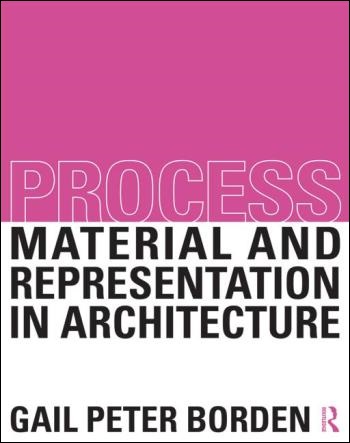
This book examines the interrelationship of representational methods and material systems as fundamental drivers of the design process. Identifying four primary categories of representational logics – point, line, surface, mass – each category is illustrated through four precedent projects that deploy iterative material sensibilities. As a collection, this text provides a comprehensive categorization of the architectural design process.
Through the comprehensive definition of categorical typologies, it illustrates the collective capability of this conceptual methodology. By unpacking projects through their specific design devices, the collective analysis reveals the impact of material techniques and methods of representation as a generative tool.
CONTENTS
Part 1: Point
- 1. Unit: UK Pavilion Shanghai – Heatherwick Studio, Shanghai, China
- 2. Aggregation: Gatehouse – Office dA, Beijing, China
- 3. Module: Maison Colonial – Jean Prouve, Africa/France
- 4. Network: de Young Museum – Herzog and de Meuron, California, USA
Part 2: Line
- 5. Stick/Member: Jean Marie Tjibou Cultural Center – RPBW, Noumea, Indonesia
- 6. Grid: Faulk House – Peter Eisenman, New York, USA
- 7. Frame/Cage: US Pavilion at Expo 67 – Buckminster Fuller
- 8. Field Effect: Kimbell Art Museum – louis I. Kahn
Part 3: Surface
- 9. Wall: Barcelona Pavilion – Mies van der Rohe, Barcelona, Spain
- 10. Facet: Tel Aviv – Scott Cohen, Tel Aviv, Israel
- 11. Shell: Los Manantiales – Felix Candella, Mexico City, Mexico
- 12. Serial: Yokahama Terminal – FOA, Yokahama, Japan
Part 4: Mass
- 13. Cast/Solid: Pantheon, Rome, Italy Postscript
- 14. Void: Tres Grand Bibliotheque – Rem Koolhaas, OMA, Paris, France
- 15. Inversion: Brother Claus Field Chapel – Peter Zumthor, Switzerland
- 16. Series: Monument to the Murdered Jews – Peter Eisenman
- Postscript Index
288 pages / 22 x 27,5 cm / English


Reviews
There are no reviews yet.