
Description
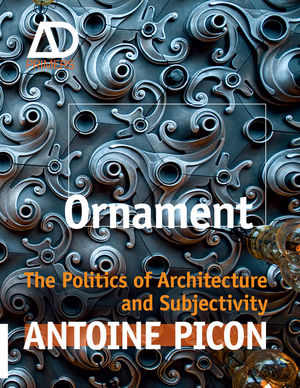
Once condemned by Modernism and compared to a ‘crime’ by Adolf Loos, ornament has made a spectacular return in contemporary architecture. This is typified by the works of well-known architects such as Herzog & de Meuron, Sauerbruch Hutton, Farshid Moussavi Architecture and OMA. There is no doubt that these new ornamental tendencies are inseparable from innovations in computer technology. The proliferation of developments in design software has enabled architects to experiment afresh with texture, colour, pattern and topology.
Though inextricably linked with digital tools and culture, Antoine Picon argues that some significant traits in ornament persist from earlier Western architectural traditions. These he defines as the ‘subjective’ – the human interaction that ornament requires in both its production and its reception – and the political. Contrary to the message conveyed by the founding fathers of modern architecture, traditional ornament was not meant only for pleasure. It conveyed vital information about the designation of buildings as well as about the rank of their owners. As such, it participated in the expression of social values, hierarchies and order. By bringing previous traditions in ornament under scrutiny, Picon makes us question the political issues at stake in today’s ornamental revival. What does it tell us about present-day culture? Why are we presently so fearful of meaning in architecture? Could it be that by steering so vehemently away from symbolism, contemporary architecture is evading any explicit contribution to collective values?
CONTENTS
Chapter 1: A Problematic Return
- The Ornamental Revival in Contemporary Architecture
- Textures, Patterns and Topology: A Different Ornament
- The Subjective and the Political
Chapter 2: Ornament and Subjectivity
- The Visage of Architecture
- The Architect between Rules and Invention
- Artists, Craftsmen and the Fabrication of Ornament
- From Clients to Passer-By
- Industrialisation and the Ornamental Impulse
- The Ghost of ornament
Chapter 3: Politics of Ornament
- From Economics to Politics
- Communication and Style
- The Power of Architectural Décor
Chapter 4: Reinventing the Meaning of Ornament
- A New Architectural Subject
- Political Uncertainties
- Meaning and Symbols
- Bibliography, Index, Picture Credits
170 pages / 17 x 22 cm / English


Reviews
There are no reviews yet.